

The Gratitude Ritual Builder
Pick a format, who it is for, and how often you will add to it. The builder returns a build plan with materials, setup, what to write, a keep-it-going mechanic, and a set of starter prompts for your slips.
The jar is not the magic. Reading it back is. A year of small good things, poured out on one bad evening, is a kind of proof.
Jar, tree, or board: which is which
They all do the same core job, capturing good moments so you can read them back, but they suit different spaces and people.
The gratitude jar
The classic. A jar, a stack of slips, a pen nearby. Tactile, private-ish, and endlessly refillable. Best all-rounder, and the easiest to start today with things you already own.
The gratitude tree
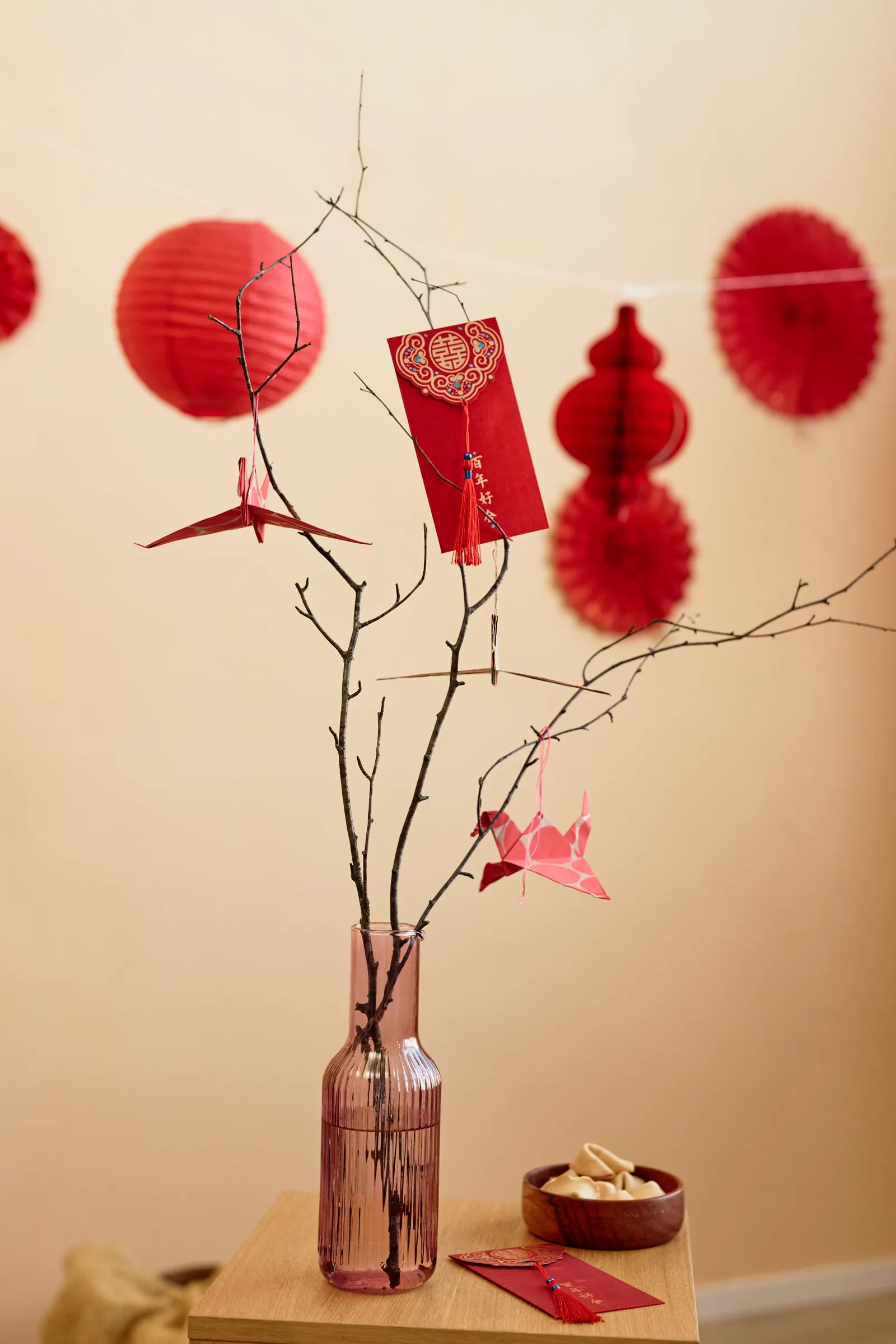
The visual one. A branch in a vase or a paper tree on the wall, with leaves added as you go. The growing tree makes the accumulating gratitude visible, which is lovely for families and unbeatable in a classroom or around the holidays.
The board, chain, or calendar
Variations for different spaces. A framed board or corkboard for a shared kitchen wall; a paper chain that grows link by link (great for a countdown, like Advent or the month of November); a gratitude calendar with one small square to fill each day. Same practice, different shape.
Why a physical gratitude ritual works
A jar or tree has three quiet advantages over a private journal, and they are the reasons this practice sticks when others fizzle.
First, it is a visible cue. A journal in a drawer is easy to forget; a jar on the counter is a gentle, constant reminder that sits in your line of sight all day. Second, it captures gratitude in the moment rather than on a schedule; you write a slip when something good actually happens, which tends to feel more genuine than manufacturing three things at 10pm. Third, and most importantly, the re-reading is savoring. The real payoff is not writing the slip; it is pulling a handful out on a hard day, or emptying the whole jar at year's end, and feeling a year of small good things all at once. That savoring is where much of the documented benefit of gratitude lives.
For families, it does something extra. A shared ritual that everyone contributes to is exactly the kind of small, repeated family practice the research links to connection and resilience, and gratitude practices specifically have been shown to boost wellbeing in children (Froh and colleagues). The jar is a gratitude practice and a family tradition at the same time.
The jar catches the good moments. Pax Gate catches the ones you would have scrolled past
A gratitude jar works because it captures good moments in real time. The trouble is that many of those moments slip by while your attention is somewhere else, usually on a phone. Pax Gate is a mindful app blocker, and the pause it puts in front of your most distracting apps can turn into a gratitude prompt, right where the scroll usually begins. It is the same idea as the jar, a real moment written down, but it meets you at the exact instant your attention was about to leave the room. Together they are a lovely pair.
Join the Pax Gate waitlist A slip for the jar, prompted at the moment you would otherwise have opened the feed.How to start one (and keep it alive past February)
The hardest part of a gratitude jar is not building it; it is still using it in month three. A few things keep it going:
- Put it where you cannot miss it. The kitchen counter, next to the coffee, by the front door. Out of sight is out of mind; a visible jar does its own reminding.
- Keep slips and a pen right there. If writing a slip requires finding paper, it will not happen. Friction kills rituals. Pre-cut a stack and leave a pen in the jar's shadow.
- Attach it to an existing moment. A slip at dinner, a slip at bedtime, a family slip every Sunday. Bolt it to something you already do and it never needs remembering.
- Set a read-back date now. A jar you never open is just a box of paper. Decide in advance when you will read it (New Year's Eve, a birthday, the first hard day) so there is a payoff to aim at.
- Let it be imperfect. Missed a week? The jar does not care. Drop one slip in and carry on. A ritual survives lapses; it dies from guilt.
Stuck on what to write on the slips?
The companion guide is a Gratitude List Builder with dozens of specific examples across eight areas of life, perfect for filling a jar or a tree when everyone draws a blank.
Read the gratitude list and examples guideRelated guides and tools
FAQ
What is a gratitude jar?
A simple ritual: keep a jar somewhere visible, and whenever something good happens, write it on a slip and drop it in. Over months the jar fills with real moments, and reading them back later, on a hard day or at year's end, is the payoff. It works because it is tactile and visible, it captures gratitude in the moment rather than on a schedule, and the re-reading turns into savoring. One of the easiest gratitude practices to start, and one of the best for families and children.
How do you make a gratitude tree?
The jar's more visual cousin. Make a tree, either a real branch stood in a vase, or one drawn or cut from paper on a wall, and have everyone write things they are grateful for on paper leaves and hang or stick them on. As the leaves accumulate, the tree fills out, making the growing gratitude literally visible. Popular around the holidays, wonderful in classrooms, and great for young kids because the making and decorating is part of the fun. The Ritual Builder generates a build plan tailored to your people.
What do you write on gratitude jar slips?
Specific, real moments, not generic categories. The best slips capture a particular thing: "the way the whole family cracked up at dinner tonight," "a stranger let me merge and it fixed my mood." For families with kids, prompts help: what made you laugh, who was kind to you, what are you looking forward to. Date the slips if you can, so reading them back places you exactly in that day. Months from now the slip should transport you back to a real moment, which only the specific ones do.
When should you read the gratitude jar?
Two great times, and you can do both. On a hard day, when you need proof that good things happen; pulling a few slips is a fast, tangible lift. And as a yearly ritual, emptying the whole jar on New Year's Eve or a birthday and reading a year of good moments back together. That annual read is often the most moving part, because a year of small good things gathered in one place adds up to something you cannot feel day by day. The re-reading is where the savoring, and much of the benefit, happens.
Is a gratitude jar good for kids?
Yes, one of the best gratitude practices for children. It is concrete and physical, which suits how kids think far better than abstract journaling, and the writing, folding, and dropping-in is fun. Research on gratitude in young people (Froh and colleagues) suggests gratitude practices can boost children's wellbeing and prosocial behavior. A jar or tree also gives a family a shared, visible ritual, which the research on family routines links to connection. Keep prompts simple for younger children, and let them decorate the jar or tree.
Is a gratitude jar or a gratitude journal better?
Neither is better; they suit different people and can complement each other. A journal is more private, reflective, and better for going deep, ideal for solo adults who like to write. A jar is more tactile, shared, and spontaneous, capturing moments as they happen, ideal for families, children, and people who find journaling a chore. Many households run both: journals for the grown-ups, a shared jar or tree for the family. The Ritual Builder helps you set up the jar or tree version.
Sources
- Emmons, R. A., & McCullough, M. E. (2003). Counting blessings versus burdens. Journal of Personality and Social Psychology, 84(2).
- Froh, J. J., Sefick, W. J., & Emmons, R. A. (2008). Counting blessings in early adolescents: An experimental study of gratitude and subjective well-being. Journal of School Psychology, 46(2).
- Fiese, B. H., et al. (2002). A review of 50 years of research on naturally occurring family routines and rituals. Journal of Family Psychology, 16(4).
- Bryant, F. B., & Veroff, J. (2007). Savoring: A New Model of Positive Experience. Lawrence Erlbaum. (On the benefit of re-reading and savoring good moments.)
One last thing
Of all the ways to practice gratitude, the jar and the tree are the ones most likely to survive, because they are physical, visible, and shared, and because they come with a built-in reward waiting at the end. Build yours this week with things you already own. Cut a stack of slips, set the jar where you will see it, and drop the first one in tonight. Then, months from now, on an ordinary evening or a hard one, tip it out and read a season of your own life back to yourself. That moment is the whole point, and you cannot get to it without starting the jar today.