A plain definition
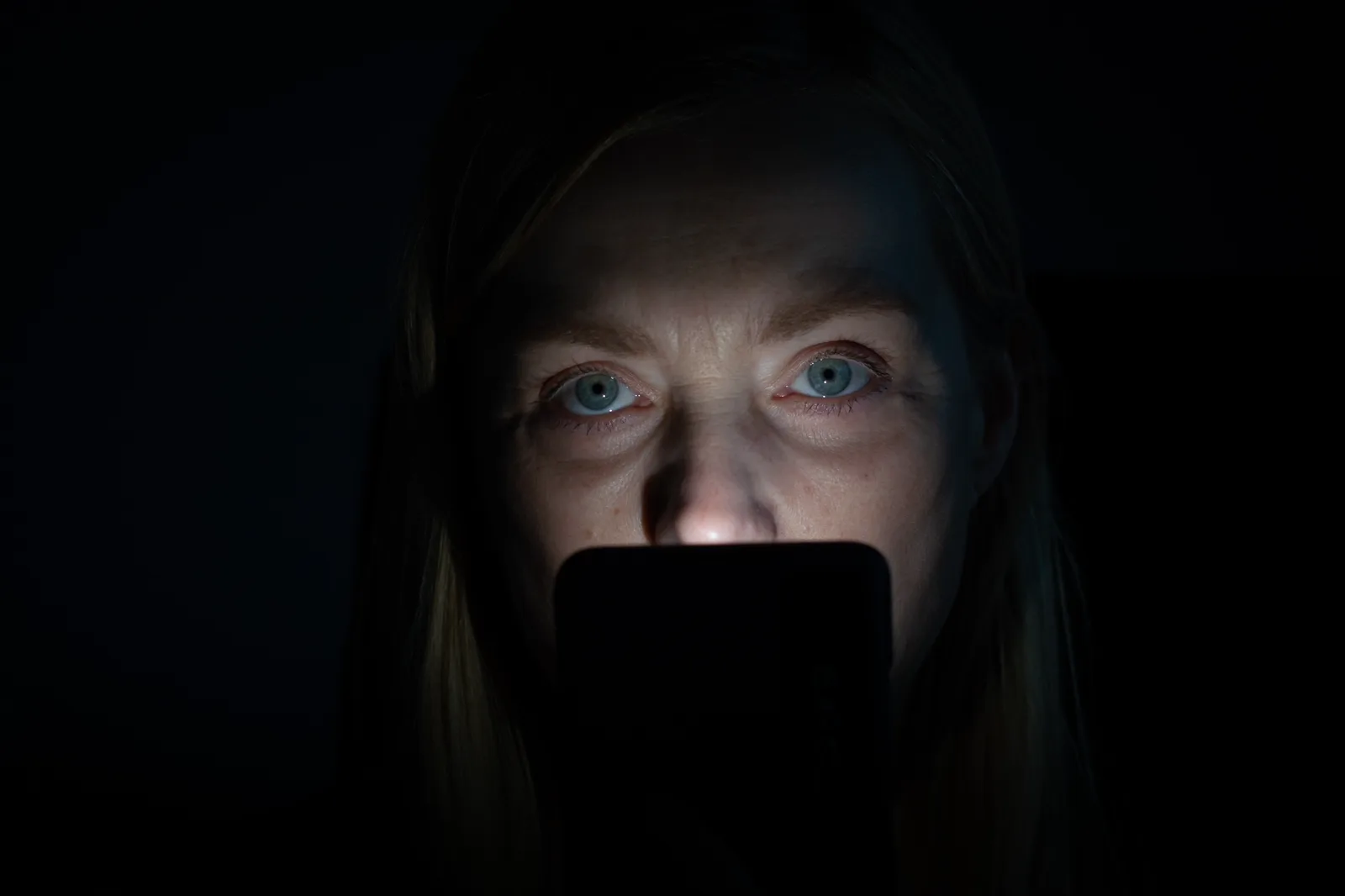
Doomscrolling is compulsively scrolling through an endless feed, long past the point where it is useful or enjoyable, usually without having decided to, and usually feeling worse afterward. That is the whole thing. The term was popularized in 2020 and originally meant scrolling through a spiral of bad news, which is still a perfect example of it. But notice what the definition does not mention: the topic. It is built entirely out of the behavior, not the content.
That matters, because it has spread far beyond the news. You can doomscroll a short-form video feed for an hour and never see a single headline. The clips are funny, or pretty, or oddly satisfying, none of it "doom" in the literal sense, and yet the experience lands the same way: you drifted in without deciding to, you could not easily stop, the feed never ended, and you felt hollow when you finally looked up. Whether it starts with a war headline or a stream of fifteen-second videos, the pattern is the same.
The Scroll Self-Check
Think of the last time you looked up from a feed and felt a little off. Answer for that scroll. The self-check looks at the three things that separate healthy scrolling from doomscrolling, and places it on a spectrum rather than slapping a yes-or-no label on you, because almost nobody is purely one or the other.
The feed is not evil, and neither are you for getting caught in it. It was built by very smart people to be exactly this hard to leave. Naming what it is takes some of its power back.
The three things that actually define it
If the content is not the giveaway, what is? Three signals, the same three the self-check uses:
- Intention. Did you decide to do this, or did it happen to you? Choosing to read the news for ten minutes is intention. Opening an app on reflex because your hand was bored is not.
- Control. Can you stop when you mean to? Healthy use has a natural exit. Doomscrolling keeps going well past the point of wanting to, because the feed removes every natural stopping point.
- Aftermath. How do you feel when you stop? This is the loudest signal of all. Satisfied or neutral points to healthy use. Anxious, numb, drained, or quietly ashamed of the time points to doomscrolling.
Answer those three honestly, and you usually do not need a formal test. If you want a fuller picture of your habits across apps and moments, rather than a single scroll, the Doomscrolling Audit maps where and when it tends to grab you.
You cannot out-willpower an infinite feed. So change the moment you open it
Pax Gate is a mindful app blocker that puts a small pause in front of the apps you open on autopilot. The reflexive open meets a breath and a real choice instead of an instant wall of content. No lockouts, no shame, just the decision handed back to you.
Join the Pax Gate waitlist A pause at the exact moment the autopilot scroll begins.What it is not
It is worth being clear about the other side, because the point is not that phones or feeds or news are bad. Reading the news on purpose and stopping when you are informed is not doomscrolling. Watching videos you genuinely enjoy and closing the app satisfied is not doomscrolling. Texting friends, looking something up, catching up on a feed for a few minutes and putting it down: all fine. The word is not a guilt trip for using a phone. It names one specific, compulsive habit that leaves you worse off, and lumping ordinary use in with it only makes the real thing harder to spot.
This distinction matters most around the news, where "I need to stay informed" can quietly become cover for a habit that is no longer informing you at all. That line is worth drawing carefully, which is why it has its own guide.
See your own patterns, not just one scroll
The self-check reads a single scroll. The Doomscrolling Audit zooms out: it maps which apps, moments, and moods tend to pull you under, so you can see the shape of the habit instead of guessing at it.
Try the Doomscrolling AuditRelated guides and tools
FAQ
What is doomscrolling?
The habit of compulsively scrolling through an endless feed, often distressing or negative, past the point where it is useful or enjoyable, usually without deciding to and usually feeling worse afterward. The word was popularized around 2020 and originally described scrolling through bad news, but the same pattern now happens on short-form video and social feeds that are not news at all. What defines it is the pattern, an unchosen, hard-to-stop scroll that leaves you worse off, not the topic.
Is doomscrolling only about the news?
No. It started with news and still describes getting sucked into alarming headlines, but the behavior is not tied to a topic. The same compulsive, hard-to-stop scroll through an endless feed that leaves you feeling worse happens on short-form video apps, social feeds, and comment sections with nothing to do with current events. You can doomscroll a video feed for an hour and never see a news story. What makes it doomscrolling is the mechanics and the aftermath, not the subject matter.
What is the difference between doomscrolling and normal scrolling?
Three things: intention, control, and aftermath. Normal scrolling is chosen, you can stop when you mean to, and you feel neutral or better afterward. Doomscrolling is unchosen, hard to stop, and leaves you feeling worse, anxious, numb, drained, or vaguely ashamed of the time. The content can look identical; the difference is your relationship to it. A useful test is how you feel when you finally stop: regret or flat emptiness rather than satisfaction usually means you were doomscrolling.
Why is doomscrolling so hard to stop?
Because the feeds are built to be hard to stop. They are infinite, with no natural stopping point. They run on variable rewards, the same intermittent reinforcement that makes slot machines compelling, so you never know if the next item will be great. Negative and threatening content grabs attention more powerfully than neutral content, a survival feature called negativity bias. And short-form video autoplays, removing even the decision to tap next. It is a designed mismatch between a product and your attention, not a failure of willpower.
Is doomscrolling bad for you?
The evidence points to yes when it is frequent. Research links heavy doomscrolling to higher anxiety, worse mood, and a bleaker view of the world (for example, Sharma and colleagues in 2022 tied it to existential anxiety and lower wellbeing). A repeated diet of alarming content can leave you more anxious and pessimistic even about things that have not changed, and doing it before bed harms sleep. This does not mean phones or staying informed are bad; it means the compulsive, feeling-worse version has real costs, and reducing that is what tends to help.
How do I know if I am doomscrolling?
Ask three questions when you surface from a feed. Did I decide to open this, or did my hand do it on autopilot? Am I still scrolling because I want to, or because I cannot quite stop? And how do I feel right now, better or worse? Opening it without choosing, continuing past the point of wanting to, and feeling drained or low when you stop is doomscrolling, whether you were reading news or watching clips. The self-check above walks you through those exact signals for a recent scroll.
Sources
- Sharma, B., Lee, S. S., & Johnson, B. K. (2022). The dark at the end of the tunnel: Doomscrolling on social media newsfeeds. Technology, Mind, and Behavior, 3(1).
- Rozin, P., & Royzman, E. B. (2001). Negativity bias, negativity dominance, and contagion. Personality and Social Psychology Review, 5(4).
- Baumeister, R. F., et al. (2001). Bad is stronger than good. Review of General Psychology, 5(4).
- Merriam-Webster. "Doomscrolling" and the rise of pandemic-era vocabulary (2020 words-we're-watching entry).
- Alter, A. (2017). Irresistible: The Rise of Addictive Technology and the Business of Keeping Us Hooked. Penguin Press. (On variable rewards and infinite feeds.)
One last thing
Naming a thing changes your relationship to it. An hour lost to a feed stops being a vague personal failing and becomes what it actually is: a designed system doing its job on your attention. That is oddly freeing. You do not have to swear off your phone. You just have to notice which scrolls you chose and which ones simply happened to you, and start, gently, choosing more of them.